See my full cv <here>.
I'm an oceanographer and climate scientist fascinated by how the ocean and atmosphere talk to each other, especially in the coldest, most remote corners of our planet.
I'm an Assistant Research Scientist in the Department of Earth and Planetary Sciences at Johns Hopkins University. My research explores the physical mechanisms that drive decadal to multidecadal climate variability, with a focus on high-latitude processes. I focus on meridional ocean heat transport, intergyre interactions, gyre/overturning coupling, high-latitude ocean-atmosphere-sea ice radiative feedbacks, and deep convection. I'm especially interested in how these polar processes ripple outward to influence global climate and climate predictability.
To answer these questions, I draw on tools from across the scientific toolbox: Earth system modeling, statistical analysis, observational fieldwork, and increasingly, physics-informed machine learning. I'm drawn to building models that not only predict climate behavior but also help us understand the physical mechanisms driving it.
I was introduced early in my Ph.D. to Klaus Hasselmann's work on stochastic climate variability, the idea that short-term weather "noise" can accumulate into long-term climate signals. That framework has stuck with me and still shapes how I approach my research.
My path has taken me across three continents and more than one ocean. I grew up in India, earned a B.Tech in Computer Science there, and then moved to Newfoundland, Canada, for my M.Sc. in Physical Oceanography at Memorial University — my first real introduction to life beside a cold, ever-present ocean. From there, I completed a Ph.D. in Oceanography at Texas A&M University, followed by postdoctoral fellowships at Los Alamos National Laboratory and Johns Hopkins University. Along the way, I've conducted fieldwork on research vessels in the Bay of Bengal and the Gulf of Mexico, run laboratory experiments on stratified fluids, and analyzed some of the largest climate model datasets in the world.
Teaching and mentoring are as central to who I am as a researcher. I've spent more than seven years teaching oceanography and climate science, and I care deeply about creating classrooms where curiosity — not perfection — is the goal. I've also mentored young women pursuing STEM careers and led science outreach workshops for high school students.
I believe good science should be rigorous, collaborative, and genuinely useful — and that's the spirit I strive to bring to everything I do, both in the classroom and in my research.


Research at Johns Hopkins University
Decoupling the Drivers of Arctic Ocean Heat Transport
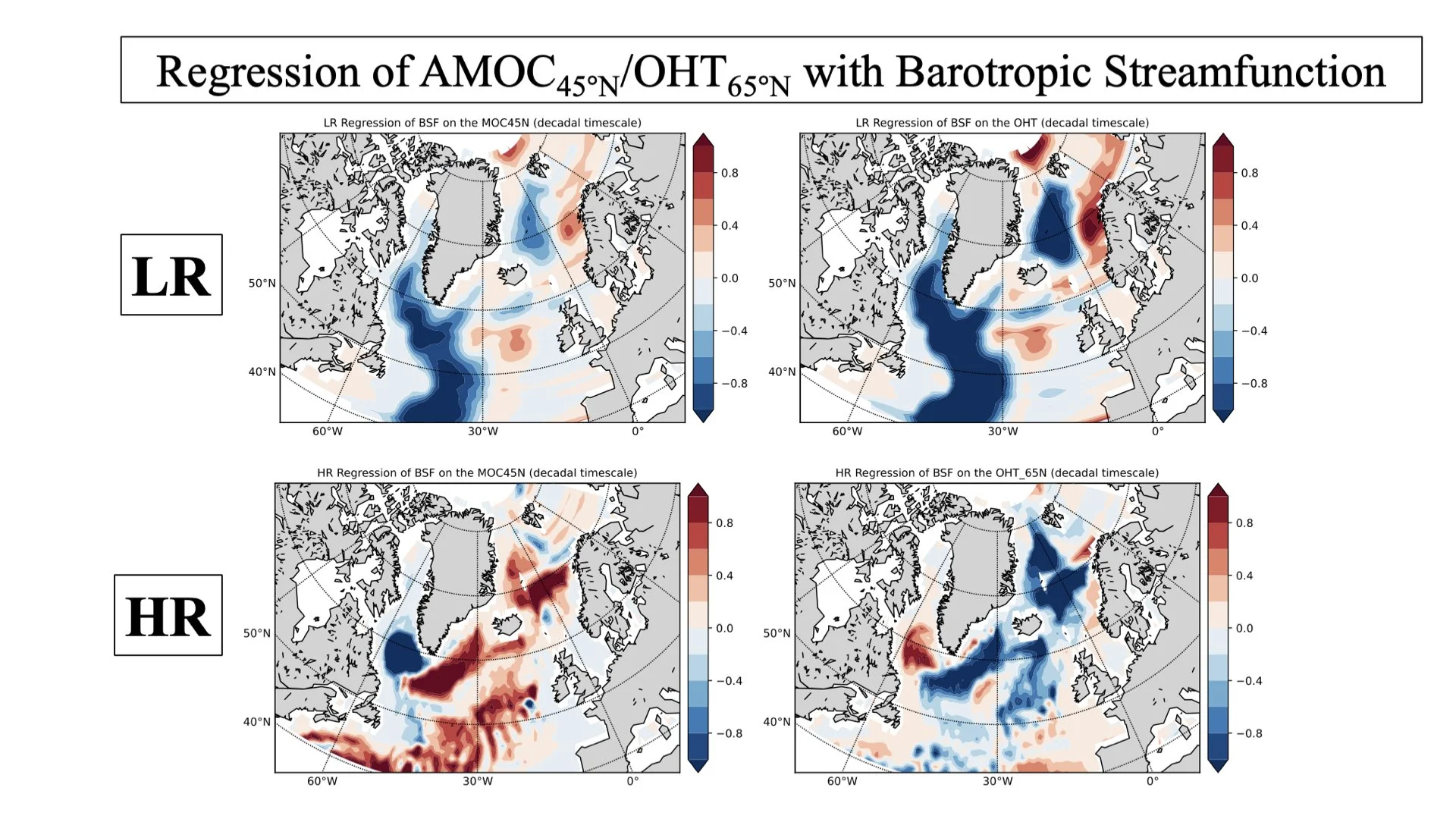
At Johns Hopkins University, one of the projects I work on investigates how gyre-scale ocean processes and the overturning circulation shape oceanic heat transport into the Arctic across 65°N, a key variable for understanding sea ice loss, Arctic amplification, and future sea level rise. Using a range of CMIP6 climate models spanning low to high spatial resolution, we find that the relationship between this heat transport and the Atlantic Meridional Overturning Circulation (AMOC) is fundamentally dependent on model resolution. In coarser models, AMOC variability dominates the picture, but as resolution improves, that relationship breaks down: separate ocean gyres in the North Atlantic and Nordic Seas emerge as independent drivers, which can be sometimes be fairly decoupled from AMOC.
Digging deeper into the mechanisms, we found that most of this heat enters the Arctic through a single ocean gateway between Iceland and Norway, and that the heat transport there can be split into two components — one driven by ocean temperature, the other by ocean currents . In coarser models, these two components move together, but in higher resolution simulations, they can decouple entirely and influenced by atmospheric patterns (Kurtakoti et al (1), 2026 (in prep)).
Resolution-Dependent AMOC Variability and Ocean-Atmosphere Feedbacks Across the Iceland-Norway Gateway in CMIP6
Another current project examines how AMOC variability differs across model resolution in CMIP6 climate simulations, with a specific focus on volume transport across the Iceland-Norway gateway — a key pathway connecting the North Atlantic to the Nordic Seas. Central to this work is a two-way feedback loop between the atmosphere and ocean. On short timescales, atmospheric modes like the North Atlantic Oscillation (NAO) drives variability in the subpolar gyre (SPG) and the Nordic gyres alongside enhanced deep convection — with both processes feeding into short-term AMOC variability and volume transport across the Iceland-Norway gateway. But on longer timescales, the relationship reverses: slow-evolving AMOC variability alters heat flux patterns in the subpolar North Atlantic and Nordic Seas, which in turn drives sea-level-pressure variability that feeds back onto the atmosphere — a dynamic reminiscent of Atlantic Multidecadal Variability (AMV). By comparing low- and high-resolution CMIP6 models, I'm testing whether this two-way ocean-atmosphere feedback loop is captured consistently across model resolutions, or whether — as with my other work on meridional heat transport — key dynamics only emerge once models become eddy-permitting (Kurtakoti et al (2), 2026 (in prep)).
Variability and Climatic Impacts of the Scandinavian Atmospheric Pattern in CMIP6 Simulations
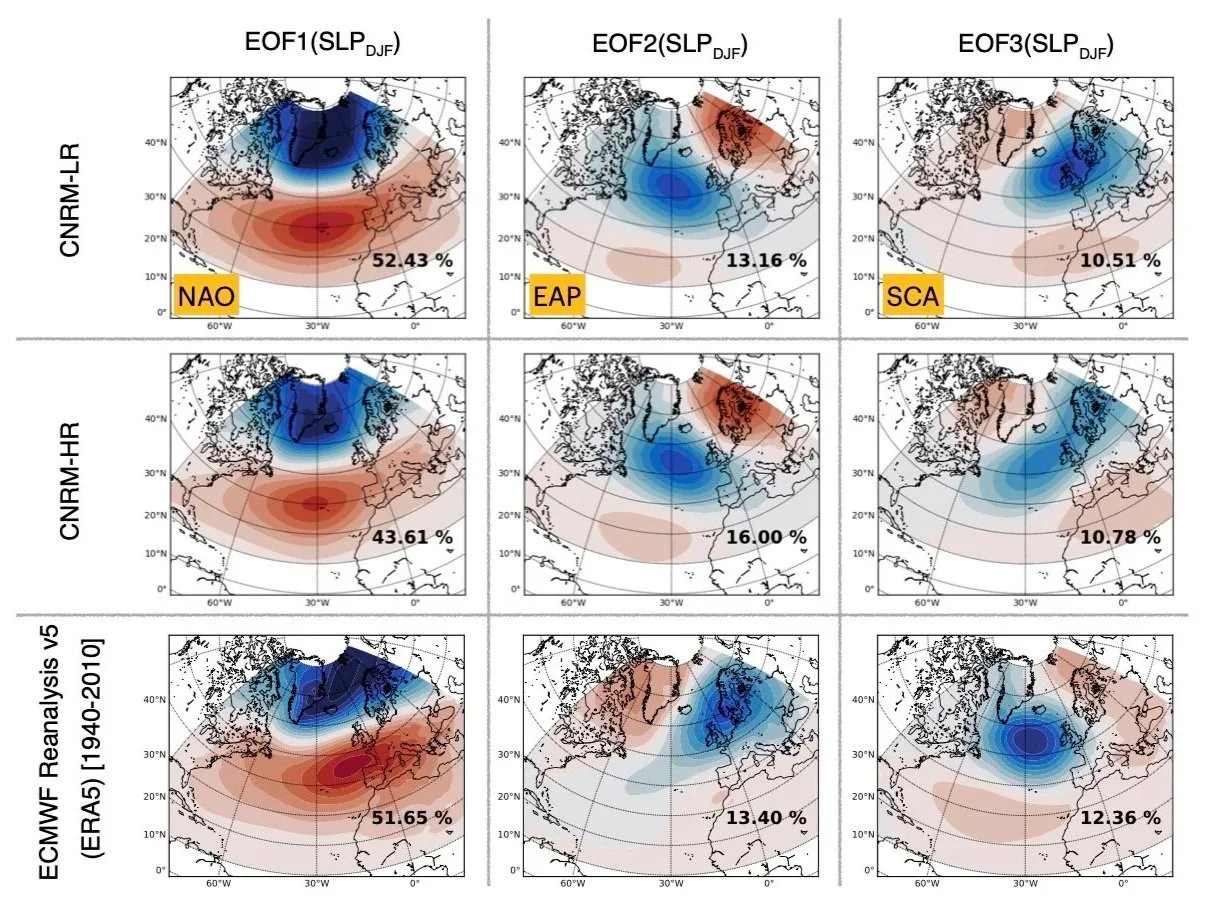
The Scandinavian Pattern (SCA) is one of the 3 major modes of winter atmospheric circulation over Europe and Eurasia, strongly influencing winter temperatures, storm tracks, and cold-air outbreaks across the region. This project investigates how the SCA pattern varies on decadal-to-multidecadal timescales, and — building on recent findings that the SCA shifted toward a more positive phase in the early 2000s — asks whether this shift reflects natural internal climate variability or an externally forced climate response. Using long preindustrial control simulations from CMIP6, I'll examine whether slow variability in the North Atlantic Ocean (including the AMOC, subpolar gyre, and sea surface temperature patterns) modulates the relationship between the SCA pattern, the North Atlantic Oscillation (NAO), and the North Atlantic winter storm track. The central idea is that the ocean may act as a "memory" for the atmosphere — subtly shifting the background conditions in which these patterns interact and evolve. By comparing model simulations with ERA5 reanalysis data, this work will help determine whether recent changes in European winter climate patterns fall within the range of natural variability, or whether they signal something more unusual — with direct implications for how confidently we can project future winter climate over Europe and Eurasia.
Research at Los Alamos National Laboratory
Bjerknes compensation (BjC) on Decadal Timescales across the CMIP6 Experiments
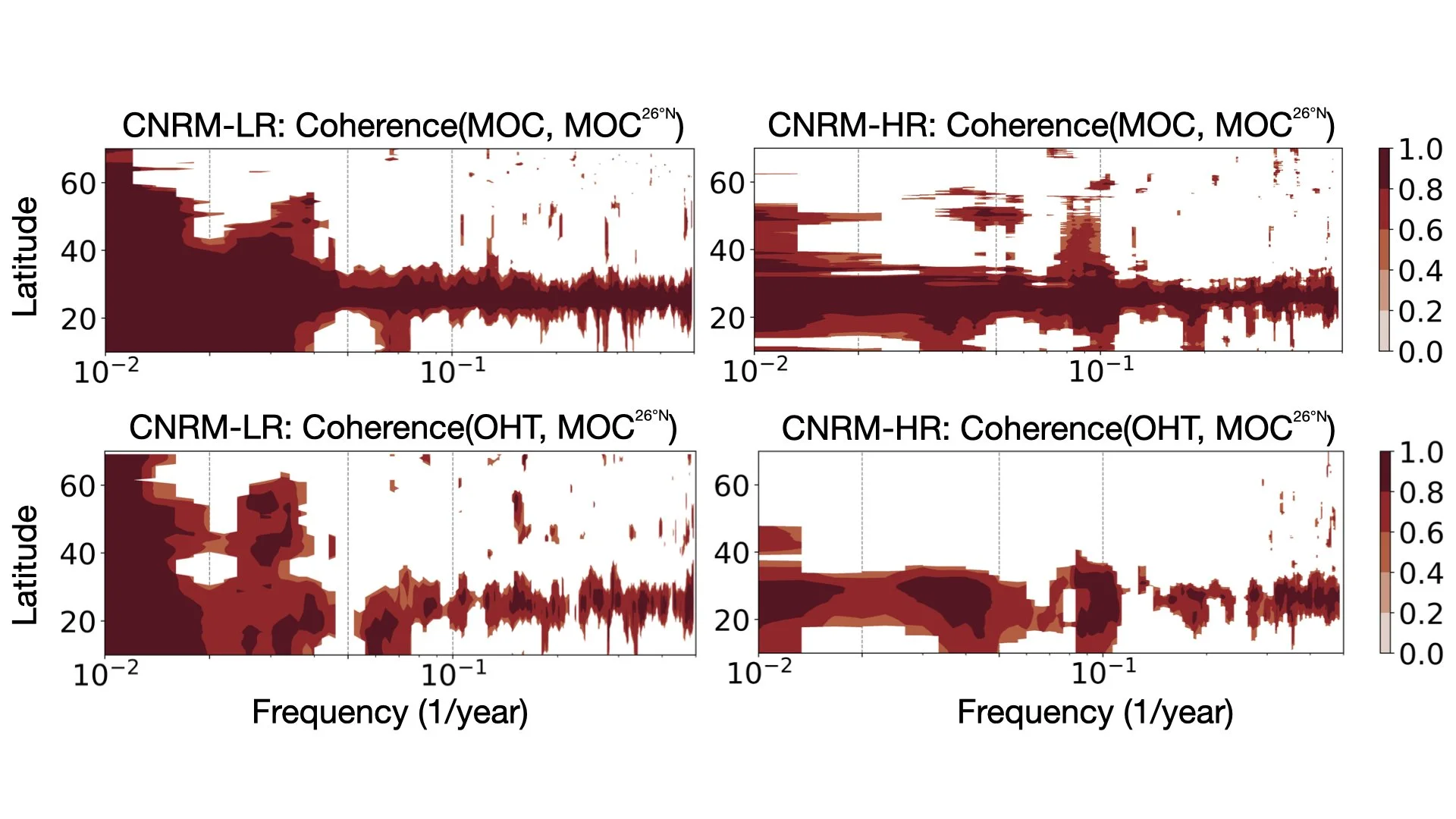
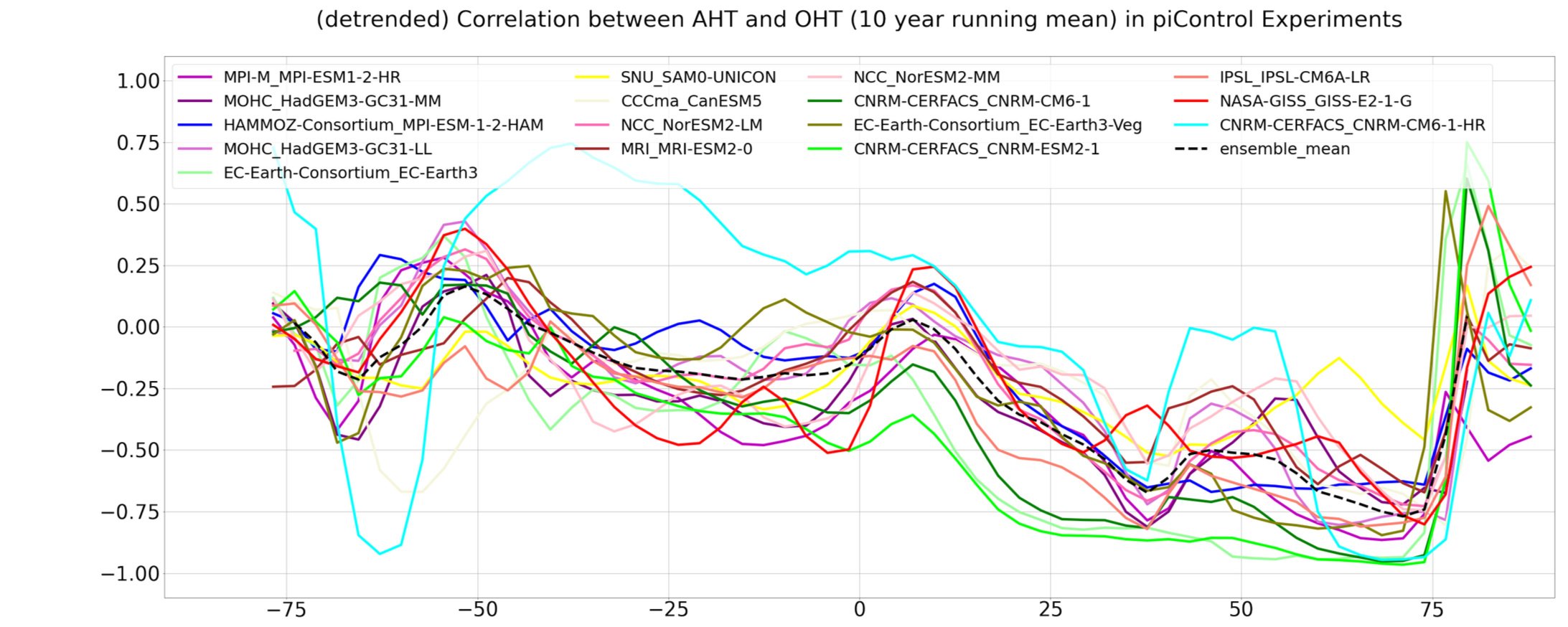
As a CNLS Postdoctoral Fellow at Los Alamos National Laboratory, I led the first systematic assessment of Bjerknes Compensation (BjC) across the CMIP6 model ensemble. I developed novel diagnostics to trace the radiative and thermodynamic feedbacks associated with BjC, a central hypothesis about how the atmosphere and ocean balance energy transport variability on decadal timescales. BjC tends to be strongest in the northern hemisphere between 65° and 70°N on decadal timescales. I developed novel diagnostics to decompose the radiative and thermodynamic feedbacks underlying this compensation, quantifying the distinct contributions of sea ice and cloud responses to surface and top-of-atmosphere energy fluxes (latent, sensible, longwave, and shortwave). It is further shown that the degree of BJC present in a simulation at high latitudes is heavily influenced by the sensitivity of the sea ice to the oceanic heat transport, which is most pronounced over the Marginal Ice Zone (MIZ). These results are qualitatively robust across models and explain the intermodel spread in BjC in the pre-industrial control experiment. The diagnostics provide a pathway to improve decadal prediction skill.
As a polar oceanographer, I believe the work of climate scientists is two-fold, one, studying a changing climate, and two, effectively communicating them to the public. Strong communication improves understanding and enables scientists to communicate complex results, which can significantly increase the impact of our science. I was part of a project to highlight the role of polynyas in modulating the earth's mesoscale motions using high-resolution simulations. The resulting narrated animation and the conference paper were submitted to Scientific Visualization and Data Analytics Showcase (https://sc21.supercomputing.org/proceedings/sci_viz/sci_viz_pages/svs106.html).
Research at Texas A&M University
Preconditioning and Formation of Antarctic Polynyas
Open-Ocean Polynyas (OOPs) in the Southern Ocean are sea-ice free areas within the winter ice pack that are associated with deep convection, potentially contributing to the formation of Antarctic Bottom Water. It has been speculated that such formed intermittently before the 1970’s, when the atmospheric CO2 concentration was lower than today. While fully-coupled simulations with coarse-resolution versions of the Community Earth System Model (CESM) show no signs of OOP formation, realistic OOPs emerge in high-resolution CESM simulations (ocean resolution < 10km).
My focus was on understanding the role of westerlies on the circulation and stratification of the Southern Ocean influencing polynya formation, deep convection, and mixing. I studied the interaction between small-scale dynamics and large-scale features of the ocean circulation, and bathymetric effects such as Taylor cap dynamics in the Weddell Sea, and their role in the Southern Ocean ventilation, ocean mixing, and deep convection. We found, while the formation of Maud Rise Polynyas (MRPs; open ocean polynyas associated with a prominent seamount in the eastern Weddell Sea) requires high resolution to simulate the detailed flow around Maud Rise. A realistic simulation of large Weddell Sea Polynyas (WSPs) requires the ability of a model to produce MRPs.
I also studied the potential effects of Antarctic bottom water (AABW) anomalies due to WSPs on the Atlantic Meridional Overturning Circulation (AMOC). Earlier studies indicate these anomalies propagate relatively fast along the deep western boundary in the form of deep weatern boundary currents. Since the simulation contains two major WSP events that have prevailed over several years, their impact on AABW anomalies along the deep western boundary can readily be traced. They do not seem to affect the outflow of North Atlantic Deep Water (NADW) and have no noticeable impact on the strength of the AMOC in HR. We hypothesized that this is because of the eddy-resolving capability of E3SMv0-HR, leading to a rather confined deep western boundary current.
Open Ocean Polynyas in the Weddell Sea in E3SMv0-HR simulation.
Polynyas are associated with deep convection and thus can be traced via mixed layer depth (see animation below).
Maud Rise Polynyas are seen in years 30-40.
Weddell Sea Polynyas are seen in Years 48-60; 100-120
A characteristic water mass of the Weddell Sea is Weddell Deep Water (WDW). It fills most of the sub surface Weddell Sea from 200 to 1500m and exhibits a temperature maximum at about 500 m, with a characteristic potential temperature between 08 and 0.88C and salinity between 34.64 and 34.72 psu (Foster and Carmack 1976; Gordon 1982; Gordon and Huber 1990). This water mass is fed by the Circumpolar Deep Water (CDW), which diverges from the Antarctic Circumpolar Current (ACC), flows south and then westward following the eastern limb of the Weddell Gyre, subsequently impinging on Maud Rise (See animation below).
Research at Memorial University of Newfoundland
Energetics of Internal Waves
My masters research was on studying internal gravity waves with my supervisor, Dr. James Munroe. The time I spent here was what made me go for a PhD. Working in a fluids lab is so much fun !!
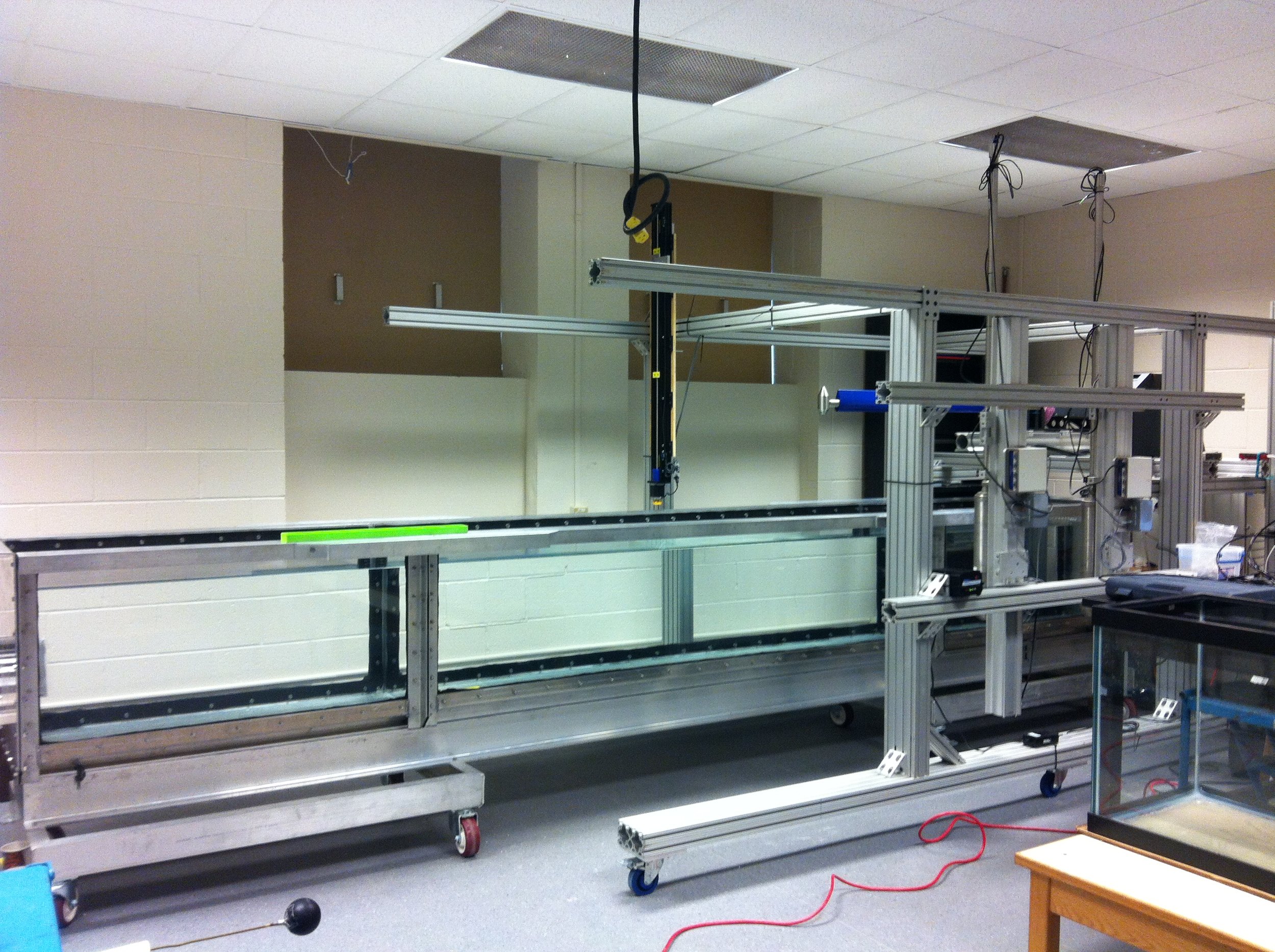
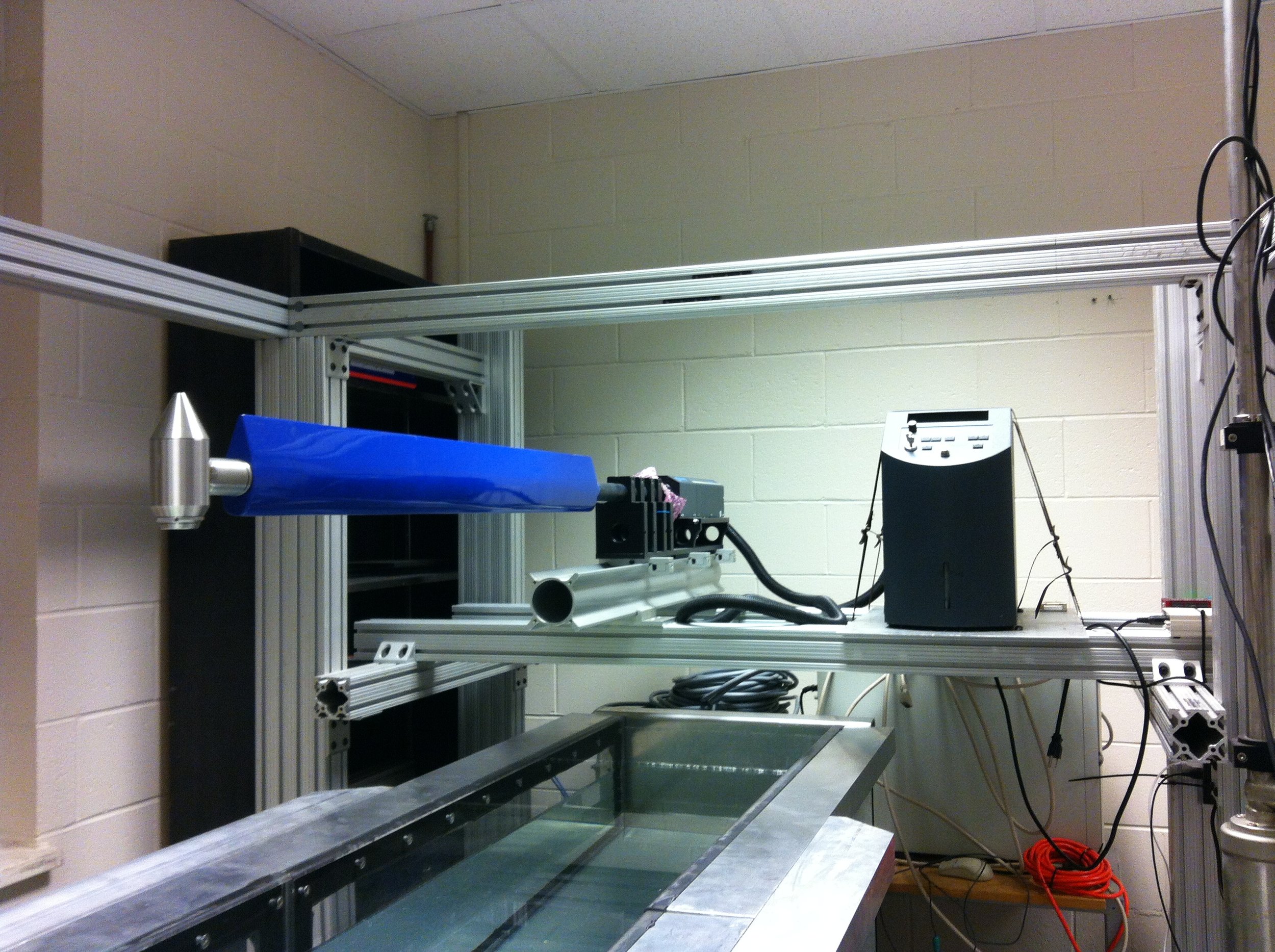
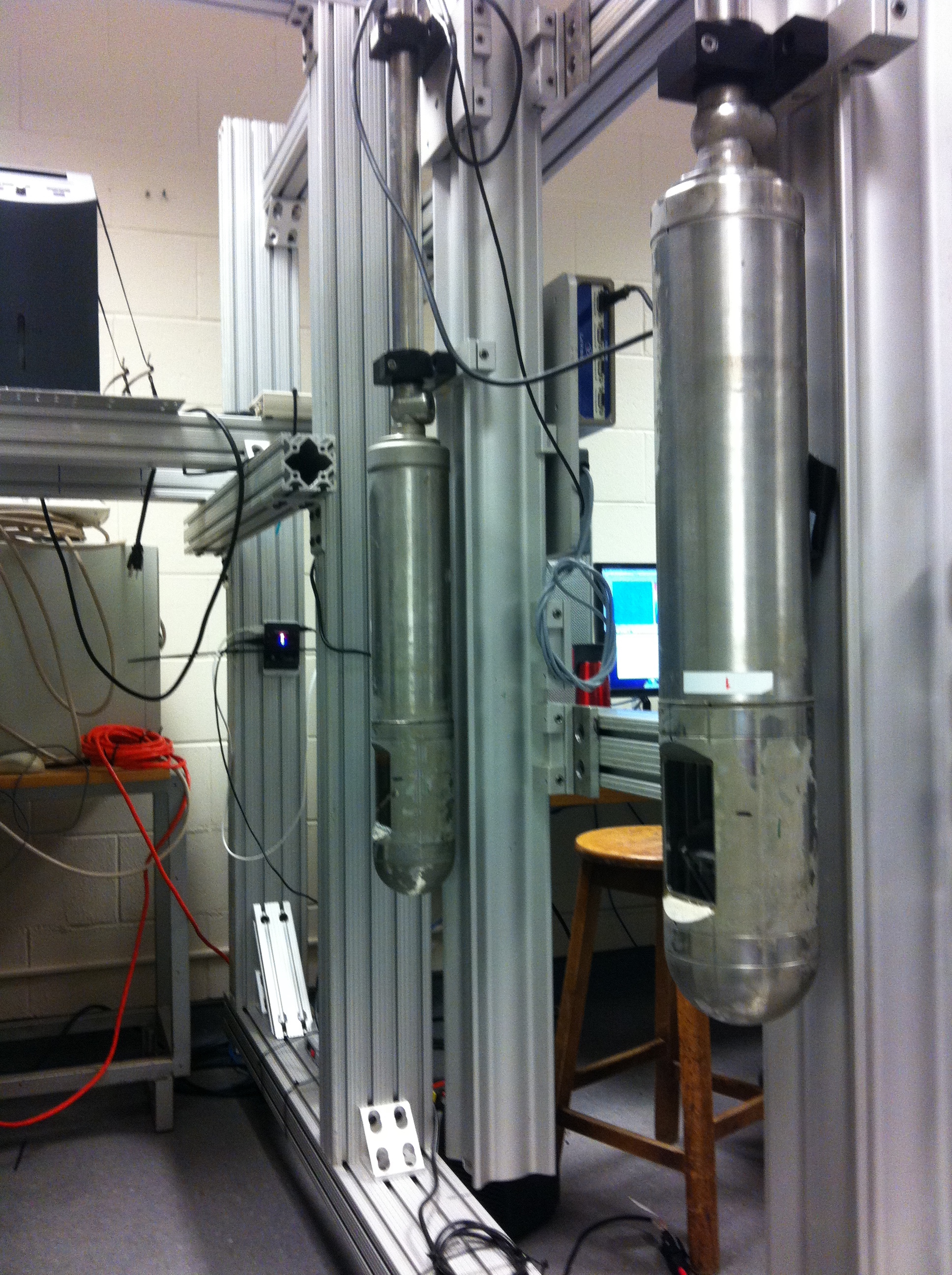
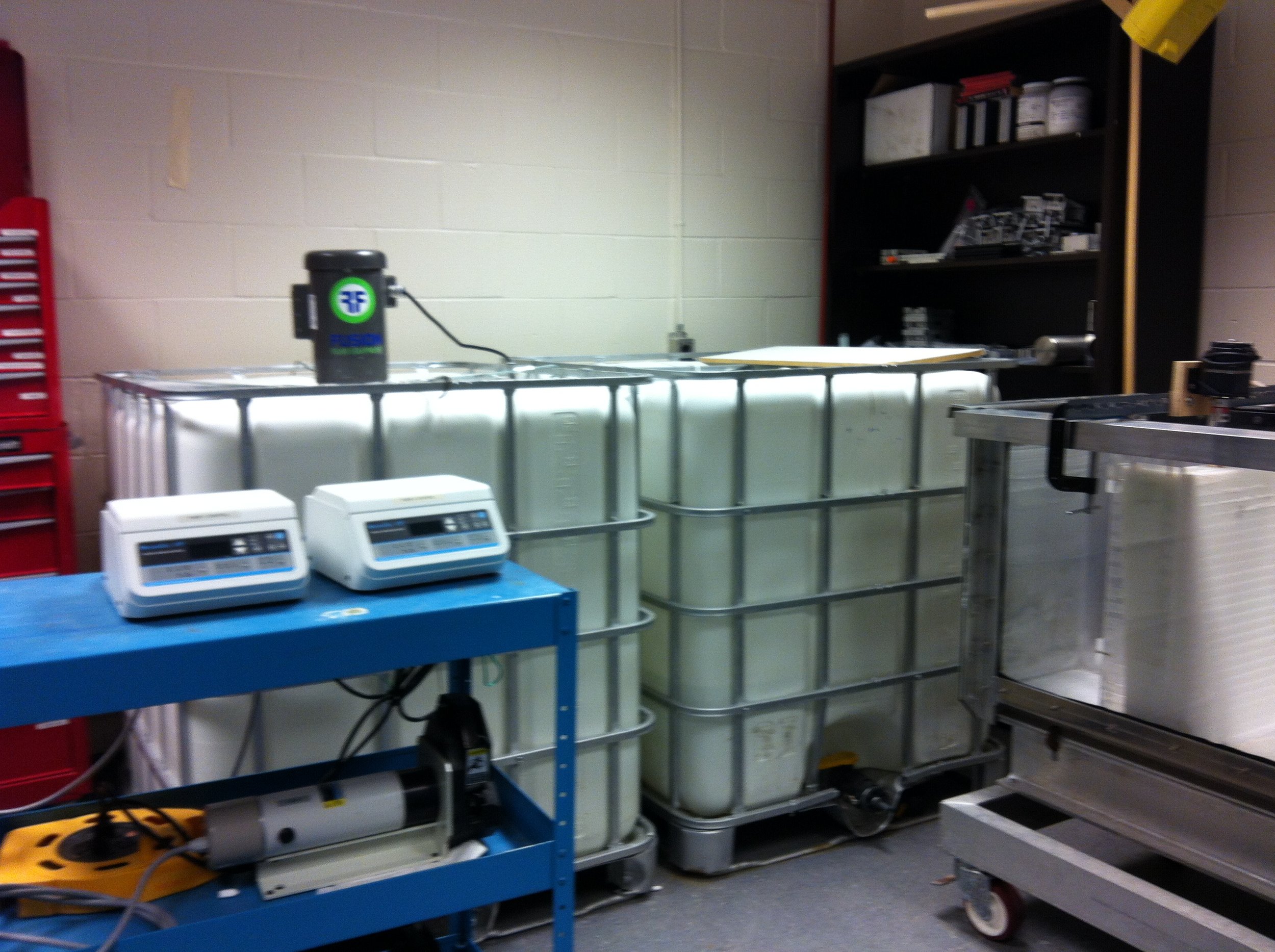
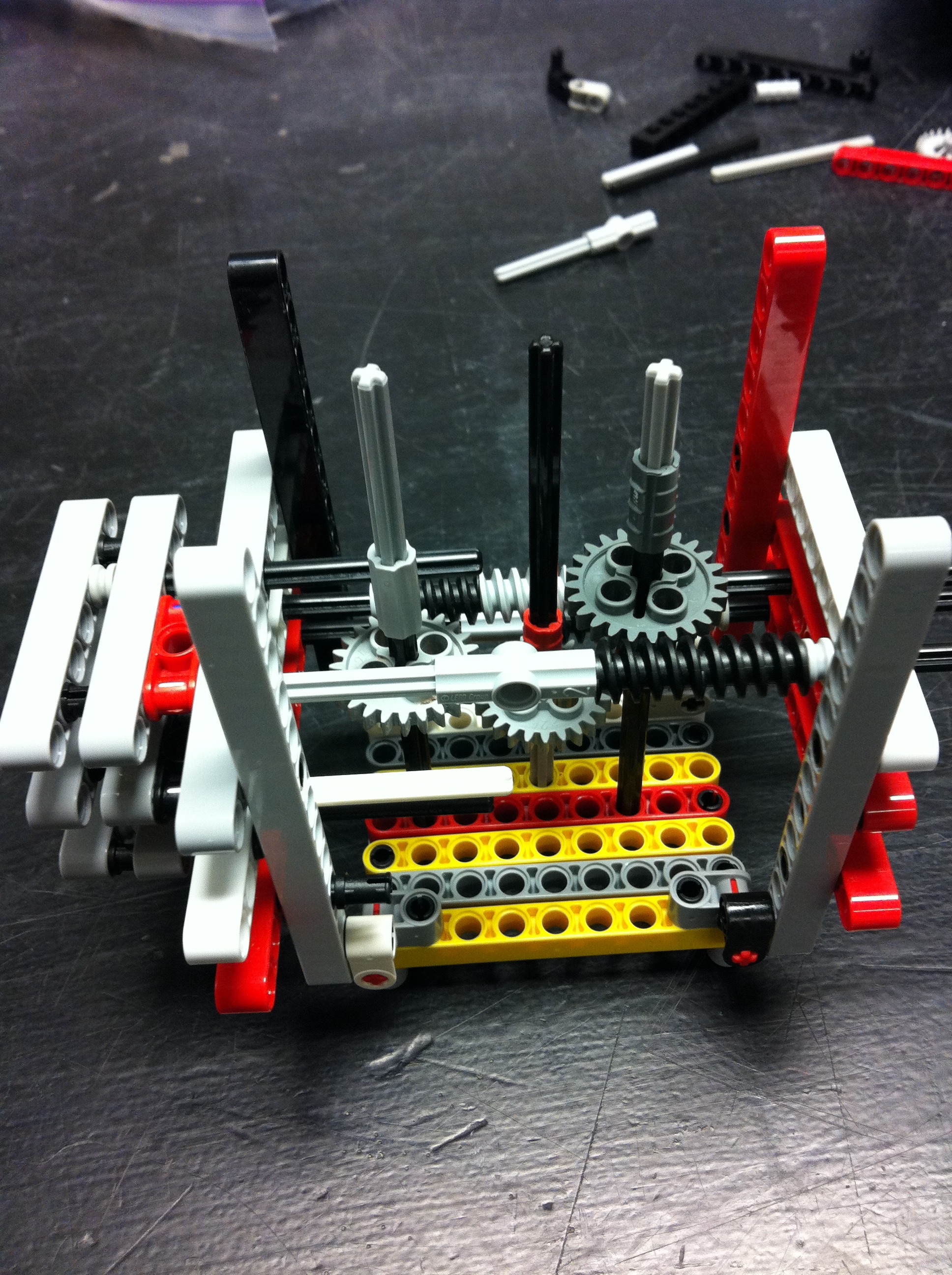
I used Python for all the scientific calculations and data analysis purposes. The early models of the wave generator were built using LEGOs. We also designed and built the tank ourselves and stress tested it using SOLIDWORKS to make sure we wouldn't flood the building. The python package to perform Synthetic Schlieren was also developed by us..
The goal was to understand mechanisms involved in the evolution and interaction of internal waves with sloping topography (subcritical,critical and supercritical), we performed a series of laboratory experiments to study the energy flux of internal waves in a continuously stratified salt water fluid.
The internal waves were generated by a wave generator that is capable of producing monochromatic, vertically trapped waves (L. Gostiaux, H. Didelle, S. Mercier, and T. Dauxois (2007)). The wave generator consists of a series of vertically stacked plates which are controlled by a camshaft and the camshaft can be precisely controlled to rotate at different frequencies generating internal waves of different modes.
These internal waves propagate along the length of the tank (~5m) and reflect off a sloping boundary wall. The slope of the boundary can be critical, subcritical or super critical.
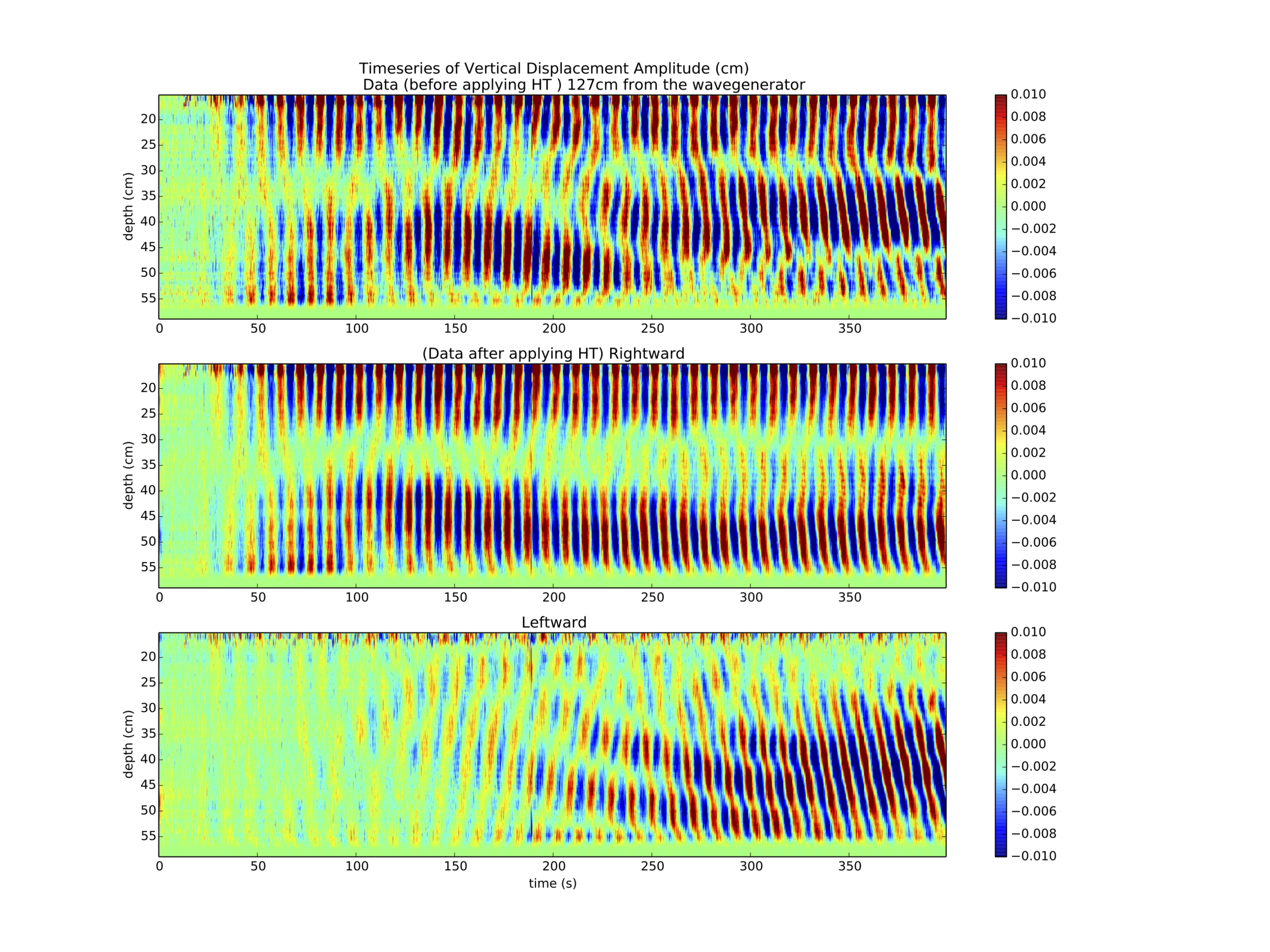
The structure and amplitude of the internal waves are measured using a non intrusive flow visualization technique called ‘Synthetic Schlieren’ that enables us to measure the amplitude and energy of the waves (B. R. Sutherland, S. B. Dalziel, G. O. Hughes and P. F. Linden (1999)). We measured the vertical displacement amplitude and energy flux of the internal waves varying independently the frequency of the wave generator, stratification of the fluid and angle of the sloping boundary wall.
Using Hilbert transform we separated the generated waves and the reflected waves to estimate energy from the incoming waves is present in the reflected internal waves (M. J. Mercier, N. B. Garnier, and T. Dauxois (2008)). The analysis of the energy flux of the internal waves during propagation and reflection using the Hilbert transform is helpful as it brings insight into phenomena that are difficult to observe during field studies.

Teaching
Postdoctoral Research Fellow
Ocean General Circulation (Fall 2025)
Department of Earth and Planetary Sciences
Johns Hopkins University
Physics of Climate Variability (Fall 2024)
Department of Earth and Planetary Sciences
Johns Hopkins University
Graduate Teaching Assistant
OCNG 252: Introduction to Oceanography LAB (Fall 2015; Fall 2016; Spring 2017; Spring 2019)
Department of Oceanography, Texas A&M University, USA
GEOS 405: Environmental Geosciences (Fall 2018)
Department of Oceanography, Texas A&M University, USA
Physics 1051 − General Physics Laboratory (Fall 2011 - 2014)
Department of Physics, Memorial University of Newfoundland, Canada
Physics 1020 − General Physics Laboratory (Fall 2011 - 2014)
Department of Physics, Memorial University of Newfoundland, Canada
Journal Publications
Kurtakoti, P., Gnanadesikan, A., Haine, T., and Verma, T. Simulating climate at higher resolution can weaken AMOC control of poleward heat transport into the Nordic Seas. (in prep)
Weijer, W., Huo, Y., Garuba, O., Lee, Y., Molodtsov, S., and Kurtakoti, P. What CMIP6 models tell us about the impact of AMOC variability on the Arctic. Geophysical Research Letters, 52(17), e2025GL116282.
Kurtakoti, P., Weijer, W., Veneziani, M., Rasch, P., and Verma, T. Sea ice and Cloud Mediating Compensation between Poleward Atmospheric and Oceanic Heat Transports across the CMIP6 Pre-industrial Control Simulations. Journal of Climate 37.2 (2024): 505-525 .
Li, Y., Weijer, W., Kurtakoti, P., Veneziani, M., and Chang, P., Bering Strait Ocean Heat Transport Drives Decadal Arctic Variability in a High-Resolution Climate Model. Geophysical Research Letters 51.12 (2024): e2024GL108828 .
Weijer, W., Haine T.W.N., Siddiqui A.H., Cheng W., Veneziani M., and Kurtakoti P. Interactions between the Arctic Mediterranean and the Atlantic Meridional Overturning Circulation: A review. Oceanography 35(3-4) (2022): 118-127.
Kurtakoti, P, Veneziani, M, Stoessel, A,Weijer, W, Maltrud, M. On the Generation of Weddell Sea Polynyas in a High-Resolution Earth System Model. Journal of Climate 34.7 (2021): 2491-2510.
Kurtakoti, P, Veneziani, M, Stoessel, A,Weijer, W. Preconditioning and Formation of Maud Rise Polynyas in a High-Resolution Earth System Model. Journal of Climate 31.23 (2018): 9659-9678.
Pandey, V. K, Kurtakoti, P. Evaluation of GODAS using RAMA Mooring Observations from the Indian Ocean., Marine Geodesy 37.1 (2014): 14-31.
Scientific Visualizations
Abram, G., Petersen, M., Samsel, F., Zeller, S., Conlon, L., Kurtakoti, P., Palmstrom, L., Patchett, J., and Roberts, A. Polar Physics Revealed through Visualization of the E3SM Global Climate Model. Scientific Visualization and Data Analytics Showcase (SciViz), November 14-19, 2021.